Office Wall Graphics vs Acrylic Signs – Which Looks Better?

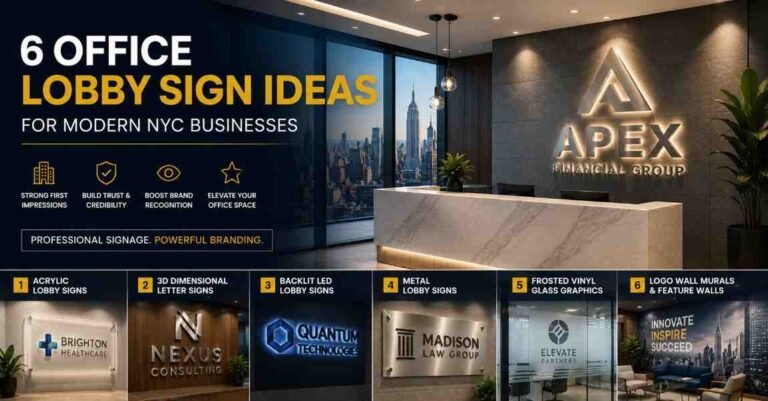
When designing a modern workspace, one of the most important visual decisions is choosing the right interior signage. If you’re comparing office wall graphics vs acrylic signs, you’re not alone—many businesses searching for office signage in NYC want a solution that enhances branding while creating a professional atmosphere. Both options are popular in NYC offices, but they serve different purposes. Let’s break down which one looks better—and more importantly, which one is right for your space. What Are Office Wall Graphics? Office wall graphics are large-format printed vinyl designs applied directly to walls. These can include: They are widely used in creative offices and startups to create an immersive environment. Many businesses explore interior signage solutions like these to transform blank walls into branding assets. What Are Acrylic Signs? Acrylic signs are rigid, high-end signage made from clear or colored plastic, often used for: They can be enhanced with lighting—like acrylic backlit signs—to create a premium, professional look. Visual Comparison: Which Looks Better? 1. Aesthetic Appeal 👉 If your goal is creativity and storytelling → wall graphics win👉 If you want a polished corporate feel → acrylic signs win 2. Branding Impact For businesses following modern interior sign trends, combining both is often the best approach. 3. Office Type Suitability Office Type Better Option Startups / Creative Wall Graphics Corporate Offices Acrylic Signs Agencies / Studios Wall Graphics Law Firms / Finance Acrylic Signs 4. Lighting & Premium Feel If you want a high-end lobby look, acrylic signage is the clear winner. 5. Cost & Flexibility When to Choose Office Wall Graphics Choose wall graphics if you want to: They are perfect for companies that want a dynamic and engaging workspace. When to Choose Acrylic Signs Choose acrylic signs if you want to: They are ideal for businesses that prioritize sophistication and brand authority. Best Practice: Combine Both for Maximum Impact In NYC offices, the best designs often combine both elements: This hybrid approach gives you the best of both worlds—creativity and professionalism. NYC Office Signage Trends Modern offices are moving toward: If you’re planning a redesign, exploring interior signage options can help you align with these trends. Final Verdict: Which Looks Better? There’s no one-size-fits-all answer. 👉 The “better” option depends on your brand identity and office environment. Get Expert Help for Office Signage NYC Choosing the right signage can transform how clients and employees perceive your business. If you’re unsure which option suits your space, request a quote to get expert recommendations tailored to your office layout and branding goals. Conclusion Both office wall graphics and acrylic signs offer unique visual advantages. While wall graphics bring energy and creativity, acrylic signs deliver elegance and professionalism. For most NYC businesses, the smartest choice isn’t one or the other—it’s a strategic combination of both to create a workspace that truly stands out.
How Long Does It Take to Make a Custom Sign?

When businesses search for sign production time in NYC, one of the most common questions is: “How fast can I get my sign installed?” The answer depends on several factors—design complexity, materials, approvals, and installation requirements. In a fast-paced market like NYC, understanding the timeline helps you plan better and avoid delays. This guide breaks down the full custom sign production process so you know exactly what to expect. Average Sign Production Time in NYC For most projects, the timeline looks like this: If you’re exploring options, browsing custom signs & signage can give you a clearer idea of what type of sign fits your timeline. Step-by-Step Sign Production Timeline 1. Consultation & Quote (1–3 Days) The process begins with understanding your requirements: Getting an accurate quote early helps avoid delays. You can request a quote to speed up this step and get expert guidance. 2. Design & Approval (2–7 Days) Once requirements are finalized: For custom branding, this phase is critical. If you need inspiration or guidance, reviewing the ultimate guide to custom signs for NYC businesses can help you make faster decisions. 3. Permits & Compliance (3–14+ Days in NYC) NYC regulations can impact timelines significantly. Depending on your sign type: This step often causes delays, especially for exterior or illuminated signage. 4. Fabrication (5–20 Days) This is where your sign comes to life. Timeline depends on: For example: 5. Installation (1–3 Days) Final installation includes: In NYC, scheduling installation may take longer due to: Factors That Affect Sign Production Time Fast-Track Options (Rush Orders) Need your sign urgently? Some sign companies offer expedited services: However, rush orders may increase costs and limit customization options. How to Speed Up Your Sign Project? To reduce delays and improve turnaround time: Being proactive can cut your production time significantly. Typical Timeline by Sign Type Sign Type Estimated Time Vinyl Graphics 3–5 days Acrylic Signs 1–2 weeks Aluminum Signs 1–3 weeks Channel Letters 3–5 weeks LED / Illuminated 3–6 weeks Why Timeline Matters for Your Business? Delays in signage can impact: That’s why understanding sign production time in NYC is essential for planning your business launch or upgrade. Get Your Custom Sign Started Today Every sign project is unique, and timelines can vary based on your specific needs. The best way to get an accurate estimate is to speak with professionals. If you’re ready to move forward, request a quote and get a clear production timeline tailored to your business. Final Thoughts So, how long does it take to make a custom sign? 👉 Anywhere from a few days to several weeks, depending on complexity, materials, and approvals. The key is planning, choosing the right type of sign, and working with experts who understand NYC’s fast-moving environment. With the right approach, you can get a high-quality sign delivered on time—without unnecessary delays.
What Is the Most Durable Sign Material for NYC Weather?

When it comes to durable signage materials in NYC, choosing the right material isn’t just about looks—it’s about survival. New York City’s weather is tough on signage, from freezing winters and heavy snow to humid summers, rain, and UV exposure. If your sign can’t withstand these conditions, it can fade, warp, rust, or fail prematurely. In this guide, we’ll break down the most durable sign materials for NYC weather and help you choose the best long-term investment for your business. Why Durability Matters in NYC? NYC presents unique environmental challenges: These factors make material selection critical. A poorly chosen sign can deteriorate within months, while the right one can last for years with minimal maintenance. For a deeper understanding of how conditions impact signage, review insights into how NYC weather affects exterior sign materials. Most Durable Sign Materials for NYC Weather 1. Aluminum Signs (Top Choice for Longevity) Aluminum is one of the most popular and durable materials for exterior signage. Why it works: Best for: Aluminum is often used in exterior signage solutions because it offers the perfect balance of durability and affordability. 2. Acrylic Signs (Best for Modern Aesthetics) Acrylic is widely used for both indoor and outdoor signage due to its sleek, glass-like appearance. Benefits: Best for: If you’re combining durability with style, acrylic is a strong option often featured in custom signs and signage projects. 3. Stainless Steel Signs (Premium Durability) For maximum strength and a high-end look, stainless steel is unmatched. Advantages: Best for: Though more expensive, stainless steel is ideal for businesses seeking long-term durability and prestige. 4. PVC & Foam Board (Budget-Friendly, Short-Term Use) PVC and foam board are lightweight and cost-effective, but less durable outdoors. Pros: Cons: Best for: For indoor applications, you can also explore the best interior sign materials for NYC offices. 5. Vinyl Graphics (Flexible & Weather-Resistant) Vinyl is commonly used for windows, walls, and even vehicles. Benefits: Best for: While durable, vinyl typically has a shorter lifespan than metal-based signage. Key Factors That Impact Sign Durability Even the best material can fail if not properly designed or installed. Consider these factors: Best Material Combinations for NYC Businesses To maximize durability and performance: These combinations are commonly used in custom signs and signage projects across NYC. How to Choose the Right Material Ask yourself: If you’re unsure, exploring exterior signage solutions can help you compare options based on your business needs. Why Investing in Durable Signage Pays Off? Choosing durable signage materials in NYC isn’t just about avoiding damage—it’s about maximizing return on investment. A high-quality sign: Instead of replacing signs frequently, investing upfront ensures years of reliable performance. Get Expert Help for NYC Signage Every location in NYC has different exposure levels, building requirements, and regulations. That’s why working with professionals makes a difference. If you’re planning a new sign or upgrading an existing one, request a quote to get expert recommendations tailored to your business. Final Thoughts So, what is the most durable sign material for NYC weather? Aluminum and stainless steel lead the way, offering exceptional resistance to harsh conditions, while acrylic and vinyl provide versatile and cost-effective alternatives depending on your needs. The key is choosing the right material for your environment, brand, and budget—ensuring your signage stays strong, visible, and impactful year-round.
Front-Lit vs Halo-Lit Channel Letters – Which is Better? (NYC Guide)

When it comes to premium storefront signage in New York City, channel letters are one of the most effective ways to stand out. But choosing the right lighting style can make a huge difference in both appearance and performance. A common question business owners ask is: 👉 Should I choose front-lit or halo-lit channel letters? If you’re exploring halo lit channel letters in NYC, this guide will help you understand the differences, benefits, and which option is best for your business. What Are Front-Lit Channel Letters? Front-lit channel letters are the most commonly used signage style. These letters have acrylic faces that illuminate from the front using LED lights. ✅ Key Features: Businesses looking for bold, attention-grabbing signage often choose 3D letters and logo signage solutions to maximize visibility during both day and night. What Are Halo-Lit Channel Letters? Halo-lit (also called reverse-lit) channel letters create a soft glow behind each letter. The light is projected onto the wall, producing a sophisticated “halo” effect. ✨ Key Features: Halo lit channel letters NYC are especially popular among luxury brands, offices, salons, and restaurants aiming for a high-end look. Front-Lit vs Halo-Lit: Key Differences Feature Front-Lit Letters Halo-Lit Letters Brightness Very bright Soft glow Visibility High (day & night) Moderate (best at night) Style Bold & commercial Elegant & premium Cost Lower Higher Best For Retail, convenience stores Offices, boutiques, salons Which Option Is Better for NYC Businesses? The answer depends on your business type, location, and branding goals. 👉 Choose Front-Lit Channel Letters if: 👉 Choose Halo-Lit Channel Letters if: Many NYC businesses combine both styles for maximum impact. Cost Comparison in NYC Pricing varies based on size, materials, and installation: For a detailed breakdown, reviewing the channel letter cost guide for NYC businesses can help you better plan your signage budget. Design Tips for Better Results The right design ensures your signage performs well both visually and functionally. Are Halo-Lit Channel Letters Worth It? Yes—if branding and aesthetics are your priority. Halo-lit signs: However, if visibility is your top goal, front-lit letters may deliver better ROI. Get the Right Channel Letter Sign for Your Business Choosing between front-lit and halo-lit signage depends on your goals, location, and budget. Working with experts in custom signage solutions for NYC businesses ensures you get the perfect balance of design, durability, and performance. To get tailored recommendations and pricing, request a custom signage quote for your storefront and explore the best options for your brand. Final Thoughts Both front-lit and halo-lit channel letters offer unique advantages. The best choice depends on how you want your business to be seen in NYC’s competitive landscape.
How Much Does a Channel Letter Cost? (Complete NYC Pricing Guide)

When it comes to bold, high-impact business signage, channel letters are one of the most popular choices in New York City. From retail stores to corporate offices, these 3D illuminated letters help brands stand out in crowded urban environments. But one of the most common questions business owners ask is: 👉 How much does a channel letter sign cost? What Are Channel Letter Signs? Channel letters are three-dimensional, individually crafted letters typically made from aluminum and acrylic. They can be illuminated using LED lighting or remain non-illuminated, depending on your branding needs. Businesses looking to enhance visibility often explore 3D letters and logo signage solutions to create a strong and professional storefront presence. Average Cost of Channel Letter Signs in NYC The cost of channel letters varies based on size, materials, and complexity. 💰 Typical Price Range: In NYC, pricing can be higher due to permits, labor, and installation requirements. Key Factors That Affect Channel Letter Costs 1. Size of the Letters Larger letters require more materials and structural support, increasing overall cost. 2. Type of Illumination There are several lighting styles available: Businesses interested in real-world applications often review channel letter signage projects in NYC environments to better understand what works in busy urban spaces. 3. Materials Used Common materials include: Premium finishes such as brushed metal or custom paint will increase pricing. 4. Installation Complexity Installation plays a major role in total cost, especially in NYC. Factors include: High-rise or complex installations require more labor and safety measures. 5. Permits & NYC Regulations NYC signage regulations can impact your total investment. Permit costs may range from $200 to $2,000+, depending on: Working with experienced professionals helps streamline this process. Illuminated vs Non-Illuminated Channel Letters Feature Illuminated Non-Illuminated Visibility Day & Night Daytime only Cost Higher Lower Branding Impact Strong Moderate Energy Use Low (LED) None For most NYC businesses, illuminated signage delivers better long-term value due to increased exposure. Are Channel Letters Worth the Investment? Yes—channel letters are one of the most effective signage solutions available. They provide: They are especially valuable for retail stores, restaurants, and commercial spaces looking to stand out. How to Reduce Channel Letter Costs? Smart design decisions can significantly reduce costs without sacrificing impact. Get an Accurate Channel Letter Quote Every signage project is unique, and pricing depends on your specific needs. To get precise pricing based on your storefront, design, and location, request a custom signage quote and receive expert recommendations tailored to your business. Final Thoughts So, how much does a channel letter cost? The answer depends on size, materials, lighting, and installation—but typically ranges from a few hundred dollars per letter to several thousand for a complete storefront. The key is choosing signage that balances visibility, durability, and branding impact, ensuring long-term value for your business in NYC’s competitive market.
Illuminated vs Non-Illuminated Storefront Signs

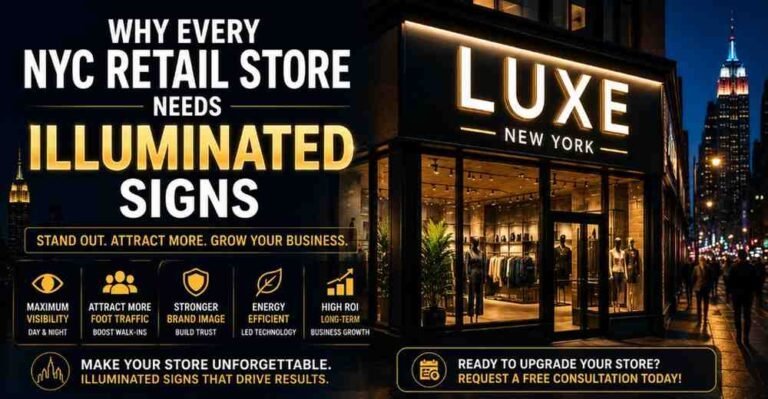
Choosing between illuminated and non-illuminated signage is one of the most important decisions for any retail business. The right choice can significantly impact your visibility, branding, and customer engagement—especially in a competitive market like NYC. If you’re exploring illuminated storefront signs in NYC, this guide will help you understand the differences and choose the best option for your business. Why Storefront Signage Matters? Your storefront sign is often the first impression customers have of your business. In busy streets and crowded retail environments, signage must: High-quality storefront retail signage solutions in NYC are designed to maximize both visibility and impact. What Are Illuminated Storefront Signs? Illuminated signs use lighting elements such as LEDs or neon to enhance visibility. Common Types: Many modern businesses prefer acrylic backlit signage solutions in NYC for their sleek appearance and strong visibility. Benefits of Illuminated Signs Drawbacks of Illuminated Signs However, the long-term benefits often outweigh these factors. What Are Non-Illuminated Storefront Signs? Non-illuminated signs rely on natural or ambient light. Common Types: Benefits of Non-Illuminated Signs Drawbacks of Non-Illuminated Signs Illuminated vs Non-Illuminated: Key Differences Feature Illuminated Signs Non-Illuminated Signs Visibility Day & Night Mostly Daytime Cost Higher Lower Maintenance Moderate Low Impact High Moderate Best Use High-traffic areas Low-light or niche branding Which Option Is Best for NYC Businesses? In a city like NYC, where competition is intense and foot traffic continues after dark, illuminated signage often provides a strong advantage. Choose Illuminated Signs If: Choose Non-Illuminated Signs If: Many businesses combine both for maximum effectiveness. The Role of Materials in Sign Performance The durability and effectiveness of your signage also depend on materials. Businesses that align lighting choices with retail sign material strategies in NYC achieve better long-term performance and ROI. Boost Your Business with the Right Signage Your choice between illuminated and non-illuminated signage should align with your business goals, location, and branding. Start your project with a custom signage quote request and get expert guidance tailored to your business needs.n
Using Color Psychology in Retail Signage

Color plays a powerful role in how customers perceive your brand and interact with your storefront. The right color choices can influence emotions, drive purchasing decisions, and significantly improve visibility. For businesses investing in retail sign colors NYC, understanding color psychology is essential to creating signage that not only looks good—but converts. Why Color Matters in Retail Signage? Studies show that color can impact customer decisions within seconds. In a fast-paced city like NYC, your signage must: Well-designed storefront retail signage in NYC uses color strategically to stand out in crowded streets and competitive markets. The Psychology Behind Popular Sign Colors 1. Red – Urgency and Excitement Red is bold, energetic, and impossible to ignore. Best for: It creates a sense of urgency, making it perfect for driving impulse purchases. 2. Blue – Trust and Professionalism Blue is associated with reliability and calmness. Best for: Many brands use blue in custom signage systems to build trust and credibility. 3. Yellow – Attention-Grabbing and Optimistic Yellow is bright and cheerful, making it highly visible. Best for: However, it should be used carefully to avoid overwhelming the design. 4. Black – Luxury and Sophistication Black creates a premium and modern feel. Best for: It pairs well with metallic materials often used in high-end retail signage. 5. White – Clean and Minimal White conveys simplicity and clarity. Best for: White backgrounds improve readability and contrast. 6. Green – Growth and Sustainability Green represents health, nature, and eco-friendliness. Best for: It’s increasingly popular in NYC retail environments focused on sustainability. 7. Orange – Friendly and Energetic Orange combines the energy of red with the friendliness of yellow. Best for: It encourages engagement and interaction. How to Choose the Right Color Combination? Choosing a single color isn’t enough—combination matters. Businesses that combine color strategy with insights from retail sign material selection in NYC achieve better long-term results. Common Mistakes to Avoid Effective signage is always a balance between creativity and clarity. Why Color Psychology Improves ROI? When used correctly, color can: Retailers using strategic color choices in storefront signage solutions often see higher conversion rates. Create Impactful Retail Signage with the Right Colors Color isn’t just a design choice—it’s a business decision. The right color strategy can transform your signage into a powerful marketing tool. Enhance your brand with custom signage solutions tailored to your business identity. Start your project with a custom signage quote request and get expert guidance on colors, materials, and design.
Best Materials for Long-Lasting Retail Signs

Choosing the right material is one of the most important decisions when creating retail signage. Durable, high-quality materials not only enhance your brand image but also ensure your signage performs well in New York City’s demanding environment. If you’re investing in retail sign materials in NYC, understanding which materials last the longest can save you money and improve your return on investment. Why Material Choice Matters in Retail Signage? Retail signs are exposed to: Using the right materials ensures your signage: Businesses looking to improve visibility often rely on storefront retail signage solutions in NYC built with durable materials. 1. Acrylic – Sleek and Durable Acrylic is one of the most popular signage materials for modern retail stores. Benefits: Acrylic is commonly used in 3D letters and logo signage to create a polished and professional look. 2. Aluminum – Weather-Resistant and Long-Lasting Aluminum is perfect for outdoor retail signage due to its durability. Benefits: This makes aluminum a top choice for exterior signs in busy urban areas like NYC. 3. PVC (Sintra) – Cost-Effective Indoor Solution PVC is widely used for indoor retail signage. Benefits: PVC works well for interior branding and promotional displays. 4. Stainless Steel – Premium and Elegant For luxury retail brands, stainless steel offers unmatched durability and aesthetics. Benefits: It is often used in high-end storefront signage solutions to create a lasting impression. 5. Vinyl – Versatile and Flexible Vinyl is one of the most versatile signage materials. Benefits: Vinyl is widely used for retail environments needing frequent updates. 6. LED and Illuminated Materials Illuminated signage materials enhance visibility, especially at night. Benefits: Retailers using illuminated elements in 3D lettering and logo signs often see higher engagement. 7. Wood – Natural and Rustic Appeal Wood signage is ideal for boutique or artisanal brands. Benefits: However, it requires proper treatment for outdoor durability. How to Choose the Right Material? When selecting signage materials, consider: Why Durable Materials Improve ROI? Investing in high-quality materials leads to: Retailers using premium materials in storefront signage systems often experience stronger customer engagement and retention. Upgrade Your Retail Signage with the Right Materials The right material can make all the difference in how your signage performs and how your brand is perceived. Start your project with a custom signage quote request and get expert guidance on choosing the best materials for your business.
Typography Tips for Effective Signage

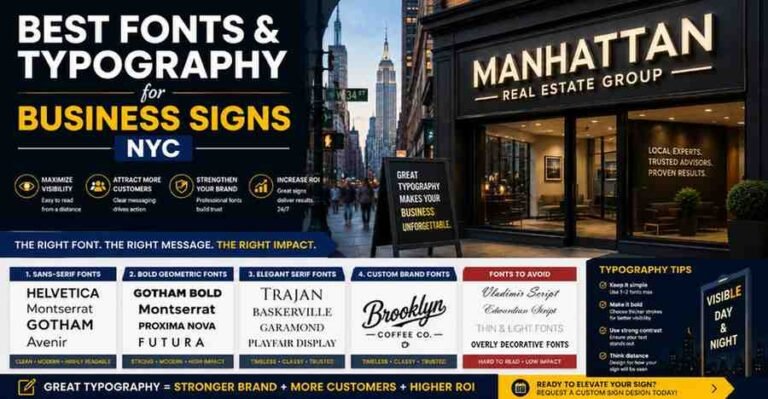
Typography plays a crucial role in how your signage communicates with customers. Whether it’s a storefront sign, office branding, or wayfinding system, the right font choice can improve readability, reinforce brand identity, and drive customer action. For businesses investing in custom signs and signage solutions, typography is not just about style—it’s about performance. Why Typography Matters in Signage? Good typography ensures your message is: In competitive markets like NYC, signage must grab attention instantly—making typography one of the most important design elements. 1. Choose Readable Fonts Over Decorative Ones While decorative fonts may look attractive, they often reduce readability—especially from a distance. Best Practice: Businesses focusing on interior signage solutions in NYC often prioritize readability to ensure clear navigation and communication inside offices and commercial spaces. 2. Focus on Font Size and Viewing Distance The size of your text should match the viewing distance. General Rule: For storefronts and large-scale displays, proper typography is essential in custom signage strategies to ensure visibility from passing traffic. 3. Maintain Strong Contrast Contrast between text and background is key for readability. Effective Combinations: Good contrast ensures your signage stands out in both daytime and nighttime conditions. 4. Limit the Number of Fonts Using too many fonts creates visual clutter and confusion. Best Practice: Consistent typography strengthens branding and improves customer recognition. 5. Pay Attention to Letter Spacing (Kerning) Proper spacing between letters improves readability and overall design balance. Tips: 6. Use Hierarchy to Guide Attention Typography should guide the viewer’s eye to the most important information first. Example: This structure helps customers quickly understand your message without confusion. 7. Align Typography with Your Brand Identity Your font choice should reflect your brand personality. Examples: Businesses investing in custom signs and branding solutions often use typography to create a lasting impression and reinforce brand identity. 8. Avoid ALL CAPS Overuse While uppercase text can be powerful, overusing it reduces readability. Best Practice: 9. Test Your Signage in Real Conditions Before finalizing your signage: This step ensures your typography performs well in real-world environments. 10. Keep It Simple and Clear The most effective signage is simple and easy to understand. Remember: Clear typography leads to better engagement and higher customer response. How Typography Impacts Business Results? Well-designed typography can: Whether it’s a storefront, office, or retail space, typography directly affects how customers interact with your business. Upgrade Your Signage with Better Typography If you want signage that stands out and delivers results, typography should be a top priority. From font selection to layout and spacing, every detail matters. Start your project with a custom signage quote request and bring your vision to life with expert design and execution.
Frosted Vinyl vs Clear Vinyl – Which is Better?

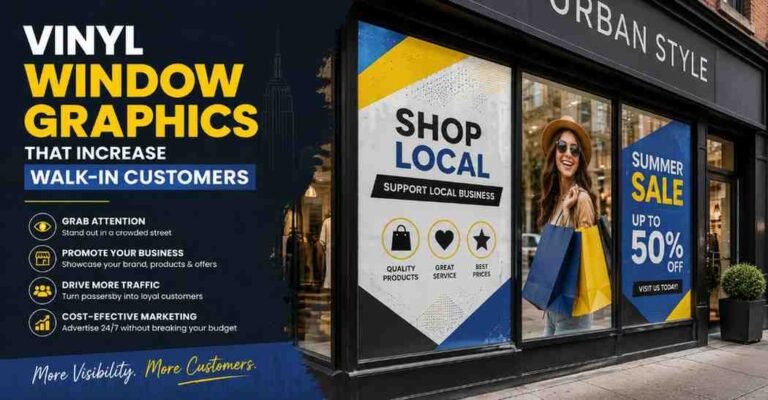
When it comes to enhancing business interiors and storefronts, choosing the right type of vinyl can significantly impact both aesthetics and functionality. Two of the most popular options are frosted vinyl and clear vinyl—but which one is the better choice for your business? If you’re investing in vinyl graphics that NYC businesses rely on, understanding the differences between these materials will help you make the right decision for branding, privacy, and visibility. What is Frosted Vinyl? Frosted vinyl is a semi-opaque material designed to replicate the look of etched or sandblasted glass. It’s commonly used in offices and commercial interiors where privacy and sophistication are key. Key Features of Frosted Vinyl Businesses focusing on strong interior branding often use frosted vinyl along with custom interior signage solutions to create a polished and professional workspace. What is Clear Vinyl? Clear vinyl is a transparent material that allows graphics to be displayed directly on glass without blocking visibility. It’s widely used for storefronts and promotional displays. Key Features of Clear Vinyl Many brands incorporate clear vinyl as part of their vinyl graphics NYC strategy to boost visibility and attract foot traffic. Frosted Vinyl vs Clear Vinyl: Key Differences 1. Privacy 👉 Best suited for offices and meeting rooms: frosted vinyl 2. Visual Appeal 👉 Businesses often combine both for a balanced design approach. 3. Branding & Customization To maximize results, businesses often combine these with strategies from storefront window graphics that increase foot traffic. 4. Application Areas Frosted Vinyl Works Best For: Clear Vinyl Works Best For: For complete branding, businesses typically integrate both with interior signage solutions in NYC. 5. Light Transmission 👉 Choose based on whether privacy or visibility is your priority. 6. Cost Consideration Both frosted and clear vinyl are cost-effective solutions compared to permanent installations. Pricing depends on: When Should You Choose Frosted Vinyl? Frosted vinyl is ideal if you want to: It’s widely used in corporate offices, clinics, and modern workplaces. When Should You Choose Clear Vinyl? Clear vinyl is perfect when your goal is to: Retailers and restaurants often combine this with restaurant branding signage strategies to improve visibility and customer engagement. Can You Combine Frosted and Clear Vinyl? Yes—and this is actually one of the most effective approaches. By combining both, businesses can: This approach works especially well in offices and commercial environments. Final Verdict: Which is Better? There’s no one-size-fits-all answer. 👉 Choose Frosted Vinyl for privacy, elegance, and interior branding👉 Choose Clear Vinyl for visibility, promotions, and marketing Most businesses achieve the best results by combining both as part of a comprehensive vinyl graphics NYC solution. Upgrade Your Space with the Right Vinyl Graphics Whether you’re enhancing office interiors or improving storefront visibility, choosing the right vinyl type can transform your business. Explore professional vinyl graphics NYC services or get started with a custom signage quote request to bring your branding vision to life.