
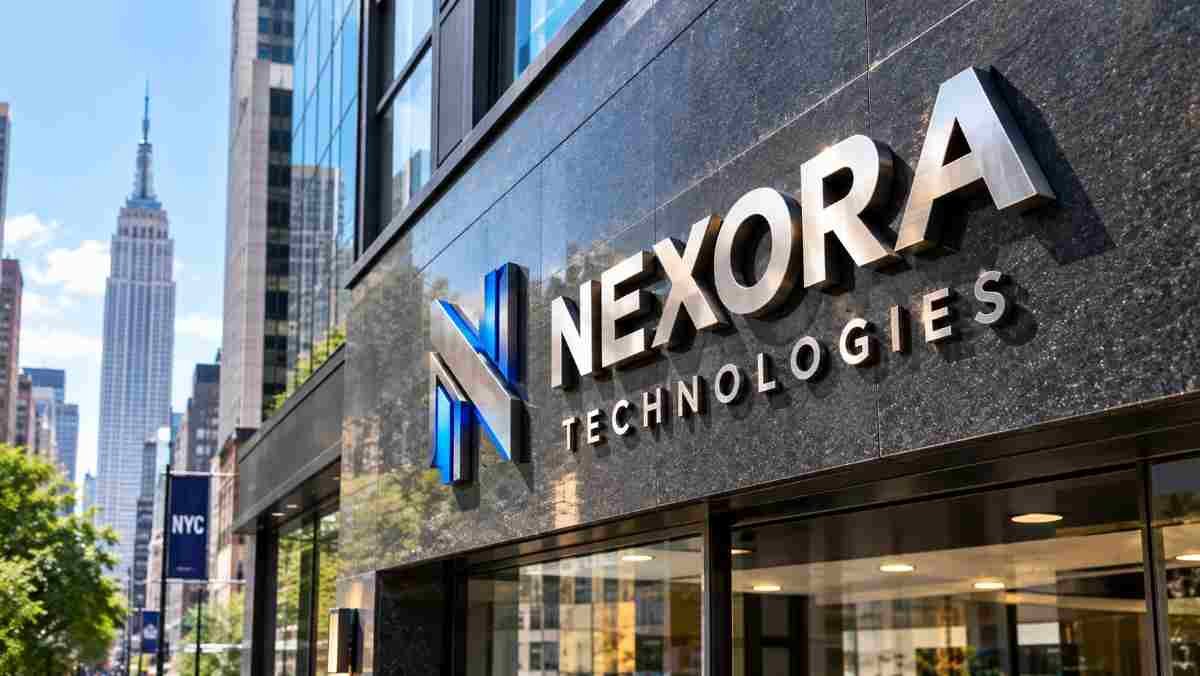

Exterior signage plays an important role in how customers recognize and locate a business. In New York City, where commercial buildings, storefronts, restaurants, and professional offices compete for attention, a well-designed dimensional sign can help a business stand out while reinforcing its brand identity.
Exterior 3D signs in NYC use raised letters, dimensional logos, and custom-fabricated elements to create depth and visual impact on building facades and storefronts. Unlike flat signs, three-dimensional lettering creates natural shadows and highlights that can make a business name more prominent in different lighting conditions.
However, choosing an exterior 3D sign involves more than selecting an attractive design. NYC businesses must also consider weather exposure, material durability, mounting methods, building conditions, maintenance, and applicable signage regulations.
In this guide, we explain the materials commonly used for outdoor dimensional signage, how mounting systems work, what affects long-term performance, and what to consider before installing a sign on a commercial property in New York City.
What Are Exterior 3D Signs?
Exterior 3D signs are dimensional signs installed on outdoor surfaces such as storefront facades, building walls, entrance structures, and commercial sign panels.
They may consist of individual letters, raised logos, fabricated metal characters, dimensional panels, or illuminated lettering. The final appearance depends on the material, letter depth, finish, mounting method, and whether lighting is included.
Common types include:
- Dimensional metal letters: Raised aluminum, stainless steel, or other metal lettering.
- Acrylic 3D letters: Custom-shaped letters available in a variety of colors and thicknesses.
- PVC dimensional letters: Lightweight lettering for applications where the material and exposure conditions are suitable.
- Illuminated dimensional signs: Signs designed with front lighting, halo lighting, or other lighting effects.
- 3D storefront logos: Custom dimensional logos mounted to storefronts or building facades.
The right option depends on your brand identity, building architecture, viewing distance, budget, and installation environment. For a broader overview of dimensional lettering and logo options, explore our custom 3D letters and logo signage page.
1. Choosing the Right Materials for Exterior 3D Signs in NYC
Material selection is one of the most important decisions when planning outdoor dimensional signage. The material affects appearance, weight, fabrication, weather resistance, maintenance, and installation requirements.
Aluminum Letters
Aluminum is commonly used for exterior dimensional signage because it combines relatively low weight with versatility. It can be fabricated into individual letters and custom shapes, then finished with paint or other suitable coatings.
Advantages of aluminum signage include:
- Relatively lightweight construction
- Flexible fabrication options
- Compatibility with a range of painted finishes
- A clean, modern metallic appearance
- Suitability for many commercial exterior applications
Aluminum can be a practical choice for office buildings, retail storefronts, and professional businesses seeking dimensional lettering without the weight of some other metal constructions. Its long-term performance depends on the alloy, finish, fabrication details, exposure conditions, and installation quality. Edges, joints, and mounting components should be specified appropriately for outdoor use.
Stainless Steel Letters
Stainless steel offers a refined appearance and is frequently used for premium exterior signage. Depending on the grade and finish, it can provide good corrosion resistance in many urban environments. Popular finishes include brushed, satin, and polished surfaces.
Stainless steel may be suitable for corporate buildings, upscale retail storefronts, hotels, and professional offices where the material’s appearance is an important part of the design. Not all stainless steel grades perform identically. The selected grade, finish, exposure to moisture and pollutants, and maintenance routine should be considered, particularly in demanding outdoor locations.
Acrylic Letters
Acrylic letters offer flexibility in color, thickness, and shape. They are useful for businesses that want dimensional lettering to match their brand colors or create a contemporary storefront appearance.
However, not every acrylic product is appropriate for prolonged exterior exposure. UV exposure, temperature changes, impact, material thickness, and mounting details can affect performance. When specifying acrylic exterior signage, confirm that the material is suitable for the intended environment and that the mounting system accommodates the sign’s design.
PVC and Other Dimensional Materials
PVC and other engineered sign materials may be suitable for certain exterior applications, depending on the product grade, finish, size, and exposure conditions. They can be useful where a lightweight dimensional effect is desired. However, weather resistance varies considerably between products, so confirm the manufacturer’s recommendations before selecting a material for outdoor installation.
Which Material Is Best for NYC Weather?
There is no single material that is best for every exterior sign.
| Material | Potential advantages | Important considerations |
|---|---|---|
| Aluminum | Lightweight, versatile, customizable finishes | Coating quality, joints, and corrosion protection |
| Stainless steel | Premium metallic appearance, corrosion-resistant options | Grade selection, finish, and cleaning |
| Acrylic | Wide range of colors and shapes | UV exposure, impact, temperature changes, and thickness |
| PVC | Lightweight and adaptable for selected designs | Product grade, UV resistance, finish, and exposure limits |
The best choice depends on the specific location, facade, sign dimensions, finish, and expected service conditions.
For more exterior material guidance, read our article on how NYC weather affects exterior sign materials.
2. How NYC Weather Affects Exterior 3D Signs
Outdoor signage in New York City experiences seasonal changes, precipitation, sunlight, pollution, and other environmental stresses. A sign that performs well in a sheltered entrance may need different specifications when installed high on an exposed building facade.
Rain and Moisture
Rainwater can affect exposed surfaces, joints, mounting points, electrical components, and areas where water collects. Signs should be designed and installed to limit water intrusion where appropriate. Materials, coatings, fasteners, and electrical enclosures should be suitable for the expected exposure.
Good detailing matters. Water trapped behind a letter or around an inadequately sealed mounting point can contribute to deterioration of the wall or hardware.
Winter Temperatures and Freeze-Thaw Conditions
NYC winters bring cold temperatures, and exposed installations may experience repeated freezing and thawing. Materials can respond differently to temperature changes. Expansion and contraction, sealant performance, mounting details, and the condition of the building surface should all be considered.
A professional installation should account for the movement and exposure expected at the specific site.
Sunlight and UV Exposure
Direct sunlight can affect the appearance of some sign materials, paints, coatings, and plastics over time. For outdoor signs exposed to strong sunlight, choose finishes and materials intended for the application. Color stability and UV resistance should be evaluated alongside the initial appearance.
Wind Exposure
Wind loads become especially important for larger signs, projecting structures, and signs mounted at height. The sign’s dimensions, weight, mounting arrangement, building location, and height can affect the forces acting on the installation. Larger signs may require engineering review or other site-specific assessment.
Do not assume that a mounting method suitable for a small ground-level sign is appropriate for a large facade installation.
Urban Pollution and Surface Contamination
Traffic pollution, dust, and airborne contaminants can build up on exterior signage. Certain finishes may show fingerprints, streaks, or surface deposits more readily than others. Material selection should account for the surrounding environment and the ease of routine cleaning.
Practical tip: Consider the exposure conditions before choosing a material or finish. A sheltered storefront, a sunny facade, and a high-rise exterior may need different specifications even when the signs look similar.
3. Exterior 3D Sign Mounting Methods
Mounting affects the sign’s appearance, stability, spacing, and long-term performance. The correct method depends on the letter construction, substrate, sign dimensions, and building conditions.
Direct Wall Mounting
With direct mounting, individual letters or sign elements are attached to the building surface using an appropriate fixing system. This method can create a clean appearance because the letters appear to sit close to the wall.
The mounting hardware must be compatible with the wall material and the sign’s weight. Brick, concrete, metal cladding, and other facade systems have different requirements.
Stud-Mounted Letters
Stud-mounted letters use projecting studs or pins attached to the back of the letters. These fit into prepared holes or suitable mounting points on the wall. This method can create a small gap between the lettering and the facade, producing a dimensional effect with natural shadows.
The fixing design should account for the letter dimensions, material, weight, wall construction, and exposure conditions. Studs must be installed into a suitable substrate rather than relying on the outer finish alone.
Rail-Mounted Signage
Some dimensional sign systems use rails or supporting structures to hold the letters in position. Rail mounting can help with alignment and may be useful for certain sign layouts or building conditions. The rail, anchors, and supporting surface must be designed for the complete installation.
Backer Panels
A backer panel can provide a consistent background for dimensional lettering or simplify installation where direct mounting is unsuitable. Panels can also help create contrast and group multiple logo elements into one visual composition. The panel material, attachment method, drainage, and wind exposure should be considered for outdoor applications.
Mounting on Brick, Stone, or Concrete
Masonry installations require particular attention to the condition of the substrate, anchor selection, drilling locations, and water management. The appearance of a wall does not necessarily reveal its internal construction or condition. A site assessment helps determine the appropriate fixing method.
Mounting on Metal or Glass Facades
Metal cladding and glass systems may have specific structural limitations. A sign should not be attached to a surface without confirming that the proposed fixing method is suitable for the facade system. In some cases, attachment to an appropriate structural element or a purpose-designed mounting system may be necessary.
Important: Exterior signs should be mounted using a method appropriate for the building and sign design. For large, heavy, or elevated installations, professional assessment and engineering input may be necessary.
4. Illuminated vs. Non-Illuminated Exterior 3D Signs
Lighting can improve nighttime visibility and create a different visual effect, but it also affects fabrication, installation, electrical requirements, and maintenance.
Non-Illuminated Dimensional Signs
Non-illuminated letters rely on their material, finish, contrast, depth, and ambient light. They can work well for businesses operating primarily during daylight hours or for storefronts with sufficient exterior lighting.
Metal letters can provide a premium appearance, while acrylic and other dimensional materials offer different color and design options.
Front-Lit Dimensional Signs
Front-lit designs illuminate the face of the sign. Depending on the construction, this can help the business name remain visible after dark. Material selection must account for light transmission, color appearance, weather exposure, and the requirements of the lighting system.
Halo-Lit Letters
Halo-lit letters direct light toward the mounting surface, creating a glow around the lettering. This effect can suit corporate buildings, premium retail spaces, restaurants, and other businesses looking for a refined nighttime appearance.
The final result depends on letter depth, spacing from the wall, lighting design, facade color, and ambient brightness.
What Should NYC Businesses Consider?
Before selecting illuminated signage, consider:
- Whether the business operates after dark
- Visibility from the intended viewing distance
- Existing exterior lighting
- Access to electrical power
- Weather protection for electrical components
- Maintenance access
- Applicable building and sign regulations
Illumination should be planned during the design stage rather than added as an afterthought. For a deeper comparison, see our guide to illuminated vs. non-illuminated signs for NYC businesses.
5. Maintenance Tips for Exterior 3D Signs
Even a well-designed exterior sign benefits from periodic inspection and appropriate cleaning. A maintenance plan can help identify small problems before they lead to more extensive repairs.
- Inspect Mounting Points: Check for visible movement, loose components, corrosion, damaged anchors, or changes in the wall around the sign. Elevated signs should be inspected by qualified personnel using appropriate access and safety procedures. Do not climb or reach onto a facade to inspect a sign yourself.
- Clean According to the Material: Use cleaning products and methods recommended for the sign material and finish. Avoid abrasive pads or harsh chemicals unless the manufacturer confirms they are appropriate. These can damage coatings, scratch acrylic, or alter the appearance of polished surfaces.
- Check Finishes and Sealants: Look for peeling paint, discoloration, damaged sealants, or moisture around joints and mounting points. Any repair should use products compatible with the original materials and outdoor conditions.
- Inspect Illuminated Signs: For illuminated installations, check for inconsistent lighting, damaged wiring enclosures, water intrusion, or other visible problems. Electrical inspection and repairs should be performed by qualified professionals.
- Keep a Maintenance Record: For commercial properties, recording inspection dates, observed issues, and repairs can help with ongoing maintenance planning. The appropriate inspection frequency depends on the sign’s size, location, materials, exposure, and manufacturer recommendations.
6. Do Exterior 3D Signs Need Permits in NYC?
Permit requirements are an important consideration when planning exterior signage in New York City. Requirements can depend on the sign’s location, size, projection, illumination, mounting, building type, zoning, and other site-specific conditions.
Some installations may require permits or approvals from the NYC Department of Buildings or other relevant authorities. Additional requirements may apply to landmarked properties, historic districts, certain building types, or signs that project over public space.
Before fabrication or installation, confirm the requirements for the specific property and proposed sign.
What Should You Check Before Installing a Sign?
- Building and landlord approval: If the business rents its premises, the landlord or property manager may have rules about sign size, materials, placement, lighting, and installation.
- Applicable NYC requirements: Verify whether permits, filings, or other approvals are required for the proposed sign.
- Facade and mounting conditions: Confirm that the building surface and mounting method are appropriate for the sign.
- Electrical requirements: Illuminated signs may involve additional electrical and installation considerations.
- Landmark or historic restrictions: Properties in designated areas may have additional review requirements.
- Projection and public space: Signs that extend from the building or project over a sidewalk may be subject to additional rules.
Do not assume that every storefront sign has the same approval requirements. Check current official guidance and obtain professional advice where necessary.
7. Exterior 3D Signs for Different NYC Businesses
Different businesses need different combinations of visibility, design, and durability.
Retail Storefronts
Retail businesses often use dimensional letters to display their name clearly and reinforce their visual identity. The material and finish should complement the storefront design while remaining appropriate for the exposure conditions.
Explore our storefront retail signs in NYC for related options.
Corporate Offices
Corporate buildings may use metal lettering or dimensional logos to create a professional appearance at the entrance or on an exterior facade. The design should coordinate with the architecture and remain legible from the intended viewing distance.
Restaurants and Cafés
Restaurants may choose dimensional lettering, illuminated logos, or custom sign panels depending on their location and operating hours. Weather resistance, visibility after dark, and the building’s signage requirements should all be considered.
Hotels and Hospitality Businesses
Hotels and hospitality venues often require signage that complements the property’s architectural style and branding. Metal finishes, dimensional logos, and selected illuminated designs can support a polished appearance when appropriately specified.
Professional Practices
Medical offices, law firms, and other professional practices may use exterior dimensional lettering to identify their premises and maintain consistent branding. A clear design and appropriate contrast can help visitors identify the entrance without making the facade look cluttered.
8. What Affects the Cost of Exterior 3D Signs in NYC?
The cost of exterior 3D signs varies considerably according to the design and installation requirements. A small set of flat-cut letters is a different project from a large, illuminated sign mounted high on a building facade.
Key cost factors include:
- Material: Aluminum, stainless steel, acrylic, and other materials have different fabrication and finishing requirements.
- Letter size and depth: Larger or deeper letters may require more material and additional fabrication.
- Finish: Painted, brushed, polished, and specialty finishes can affect the price.
- Illumination: Lighting components, electrical work, and weather protection can add complexity.
- Mounting method: Direct mounting, studs, rails, and backer panels have different requirements.
- Building surface: Masonry, cladding, and other substrates may require different fixing systems.
- Installation access: Sign height, access equipment, working hours, and site conditions affect labor.
- Approvals and engineering: Project-specific reviews, drawings, or other requirements may add cost.
A useful quote should specify the sign materials, dimensions, finish, lighting, mounting, installation scope, and any exclusions. For your project, share the logo artwork, approximate dimensions, building location, preferred finish, and whether illumination is required.
You can explore our exterior signage services in NYC or request a custom signage quote.
9. How to Plan an Exterior 3D Sign Project
A structured process can help reduce redesigns, installation complications, and unexpected costs.
Step 1: Define the Sign’s Purpose
Decide whether the sign needs to identify the business, attract storefront attention, display a logo, or improve visibility after dark.
Step 2: Evaluate the Building
Document the wall material, available mounting area, approximate dimensions, viewing distance, and any access limitations.
Step 3: Select Materials and Finishes
Choose a material and finish that suit the brand and the expected outdoor exposure.
Step 4: Determine the Mounting and Lighting Approach
Confirm the fixing method, support requirements, electrical needs, and access for future maintenance.
Step 5: Confirm Approvals
Check landlord requirements, building rules, and applicable permits before proceeding with fabrication.
Step 6: Approve the Design and Installation Plan
Review the final dimensions, materials, finish, lighting, mounting details, and installation scope before authorizing production.
This process helps ensure that the finished sign is visually appropriate and designed for the specific building conditions.
Conclusion
Exterior 3D signs in NYC can help businesses create a distinctive storefront or building identity, but long-term performance depends on more than appearance alone. Choosing suitable materials, specifying weather-resistant finishes, selecting the right mounting system, planning for maintenance, and checking applicable regulations are all important steps.
Aluminum, stainless steel, acrylic, and other dimensional materials each have their place. The best solution depends on the sign design, the building facade, the exposure conditions, and the impression your business wants to create.
Planning exterior dimensional signage for your NYC business? Explore our exterior signage services and 3D letters and logo signage, or request a custom quote to discuss your project.
Frequently Asked Questions
What are the best materials for exterior 3D signs in NYC?
Aluminum and suitable stainless steel grades are commonly considered for exterior dimensional lettering. Acrylic and other materials may also be appropriate for specific designs. The right choice depends on exposure, finish, sign dimensions, mounting, and maintenance requirements.
Are 3D letters durable enough for NYC winters?
They can be, when the materials, finishes, mounting system, and fabrication are selected for outdoor conditions. Rain, freezing temperatures, wind exposure, and temperature changes should be considered during design.
Can acrylic 3D letters be used outdoors?
Yes, when the selected acrylic grade, thickness, finish, and installation system are suitable for the intended environment. UV exposure, impact risk, and temperature changes should be evaluated.
How are exterior dimensional letters attached to a building?
Depending on the sign and facade, letters may be directly mounted, stud-mounted, attached to rails, or installed on a backer panel. The fixing method should suit the sign’s weight, dimensions, wall construction, and exposure.
Do exterior 3D signs need permits in NYC?
Some signs require permits or other approvals, depending on the property, sign dimensions, projection, illumination, zoning, and other conditions. Confirm the current requirements for the specific installation before beginning work.
Should I choose illuminated or non-illuminated exterior signs?
Illuminated signs may help businesses that need visibility after dark. Non-illuminated dimensional letters can be suitable where ambient lighting and daytime visibility are sufficient. The best choice depends on the business, location, budget, and applicable requirements.
How often should exterior 3D signs be maintained?
There is no universal schedule for every sign. Inspection frequency depends on the material, location, mounting system, exposure, and manufacturer recommendations. Regular checks can help identify damage or deterioration early.
How much do exterior 3D signs cost in NYC?
Costs depend on material, size, depth, finish, illumination, mounting, installation access, and any required approvals or engineering. A project-specific quote is the most reliable way to determine the total cost.